Expert Tips for Metal Polishing: What You Need to Know

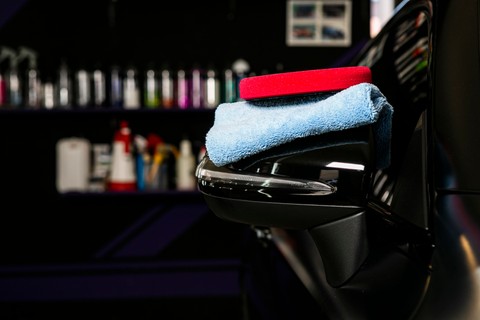
Polishing metal is an art that requires skill, patience, and the right tools. Whether you're working on a small DIY project or a large industrial task, achieving a smooth, shiny finish can make all the difference. In this post, we'll explore expert tips to help you master the art of metal polishing.
Choosing the Right Tools
The first step in polishing metal is selecting the appropriate tools. Different metals require different approaches, so it's essential to choose wisely. For example, stainless steel might need a different type of abrasive compared to aluminum. Generally, you'll need a combination of sandpapers, polishing wheels, and compounds to achieve the desired finish.
Always start with a coarse grit and gradually work your way down to a finer grit. This step-by-step approach ensures you remove any scratches or imperfections before achieving that mirror-like shine.

Understanding Polishing Compounds
Polishing compounds play a crucial role in the metal polishing process. These compounds come in various forms, such as bars, liquids, and pastes, each designed for specific metals and finishes. For instance, a green rouge compound is often used for stainless steel, while a brown tripoli compound works well for softer metals like brass.
It's important to match the compound to the metal you're working on. Using the wrong compound can lead to subpar results or even damage the metal surface.
Application Techniques
Applying polishing compounds correctly is key to a successful finish. Use a polishing wheel or a soft cloth to apply the compound evenly across the surface. Work in small sections, applying consistent pressure, and make sure to cover all areas thoroughly.

Safety Precautions
Polishing metal can be hazardous if proper safety measures are not observed. Always wear protective gear, including gloves, goggles, and a dust mask, to shield yourself from metal particles and polishing compounds. Ensure your workspace is well-ventilated to avoid inhaling any harmful fumes.
Additionally, ensure that your tools are in good condition and properly maintained. This not only enhances safety but also improves the quality of your work.
Maintaining Your Tools
Regular maintenance of your polishing tools is crucial for achieving the best results. Clean your polishing wheels and pads after each use to prevent contamination and ensure they perform at their best. Replace any worn-out parts promptly to maintain efficiency.

Final Touches
Once you've polished your metal to perfection, consider applying a protective coating to preserve the finish. Products like clear lacquer or wax can help protect the surface from tarnishing and keep it looking shiny for longer.
With these expert tips, you're well on your way to mastering metal polishing. Whether you're a hobbyist or a professional, understanding these techniques will help you achieve the best possible results.